
Why pool chemistry changes between maintenance visits — and what to do about it
Pool water is not static. Temperature, sunlight, rainfall, bather load, and evaporation all shift the chemistry continuously. Understanding what drives those changes is the first step to keeping ahead of them.
Pool water is never in equilibrium
A common assumption among pool owners is that once the water is balanced, it stays balanced until someone disturbs it. In reality, pool chemistry shifts continuously in response to environmental conditions — even in a pool nobody is using.
Understanding the main drivers of chemistry drift helps explain why continuous monitoring is more reliable than periodic testing.
Sunlight and UV
Sunlight degrades free chlorine through a process called photolysis. Unprotected chlorine exposed to strong UV light can lose 50% or more of its concentration within a few hours. This is why outdoor pools in sunny climates consume chlorine much faster than indoor pools, and why a Spanish summer pool with full sun exposure is a particularly challenging environment to keep balanced without frequent monitoring.
Cyanuric acid (stabiliser) is added to pools to reduce UV degradation, but it also reduces chlorine effectiveness — maintaining the right balance between stabiliser and chlorine requires ongoing attention.
Temperature
Higher water temperature accelerates almost every chemical process in the pool. Chlorine is consumed faster. Algae grows more readily. Scaling and calcium deposits form more quickly. A pool at 30°C requires significantly more active management than the same pool at 22°C.
Spanish residential pools in summer regularly reach temperatures of 28°C to 32°C — conditions that push chemistry out of balance faster than a weekly maintenance schedule can reliably track.
Rainfall
Rain is slightly acidic and adds an uncontrolled volume of water to the pool. Even moderate rainfall dilutes chlorine and can shift pH downward. A heavy summer storm can meaningfully change the chemistry of a smaller pool within hours.
Bather load
Every swimmer introduces organic material — body oils, sunscreen, sweat — that consumes chlorine. A pool used by four people for an afternoon will consume chlorine at a much higher rate than an empty pool. For holiday villas with variable occupancy, bather load is an unpredictable driver of chemistry drift.
Evaporation
High temperatures cause water to evaporate, concentrating the minerals and chemicals remaining in the pool. This tends to push calcium hardness and total dissolved solids upward over time, contributing to scaling and reduced water clarity.
What this means in practice
Any single factor would be manageable with weekly testing. The challenge is that all of these factors operate simultaneously and unpredictably. A week in which temperatures are high, there is a brief rain event mid-week, and the pool is used by guests every day will produce very different chemistry drift to a quiet week with mild temperatures and no usage.
Weekly manual testing gives you one snapshot per week. Continuous monitoring gives you a complete picture — every shift, every spike, in real time — so that issues are caught when they first appear rather than after they have had days to develop.
Senzo's pool monitoring sensor reads pH, ORP, and temperature every 15 to 30 minutes and sends an immediate alert when any reading moves outside the safe range. For remotely managed properties, that alert is the difference between a minor chemistry adjustment and an emergency callout.
More in Pool Monitoring
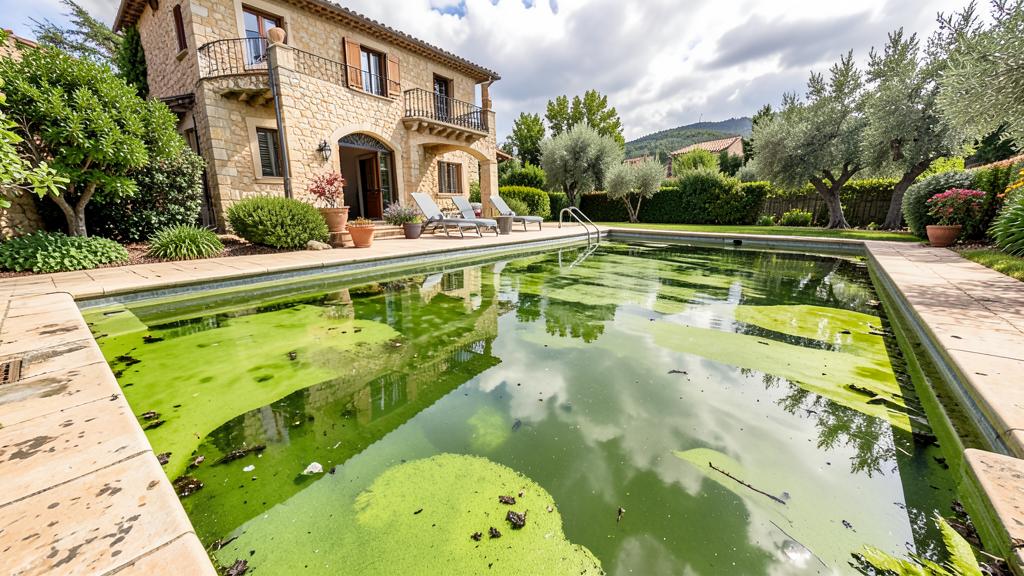
3 July 2026·Pool Monitoring
Green pool syndrome: causes, costs, and how to prevent it
A green pool is not just an eyesore. For a remotely managed holiday villa, it can mean lost bookings, difficult conversations with guests, and an emergency callout bill. Here is what causes it and how to stop it happening.
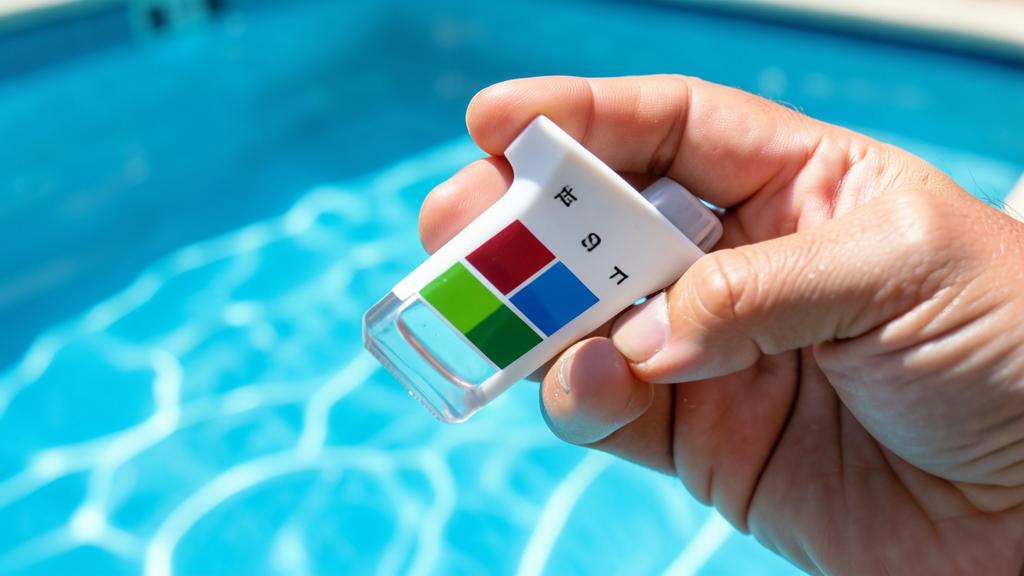
19 July 2026·Pool Monitoring
pH and chlorine in Spanish pools: what the numbers actually mean
Most pool owners know they need to test the water regularly, but fewer understand what the readings actually tell them — or why pH matters as much as chlorine. A plain-English explanation.
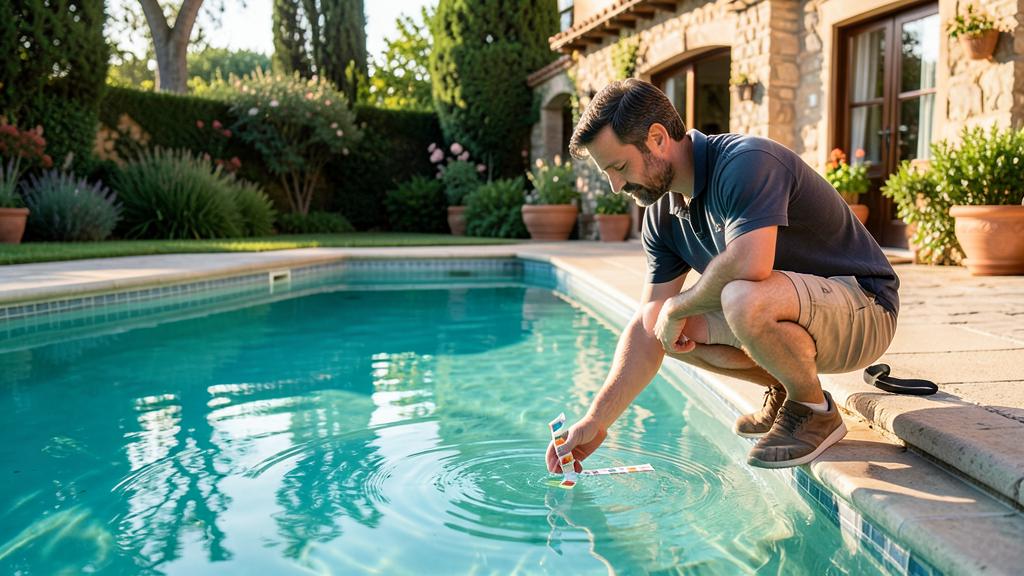
4 August 2026·Pool Monitoring
How often should a pool be tested? The case for continuous monitoring
Weekly testing is the standard for most managed pools. But a lot can change in seven days — particularly in the heat of a Spanish summer. Here is why the interval matters, and what continuous monitoring changes.