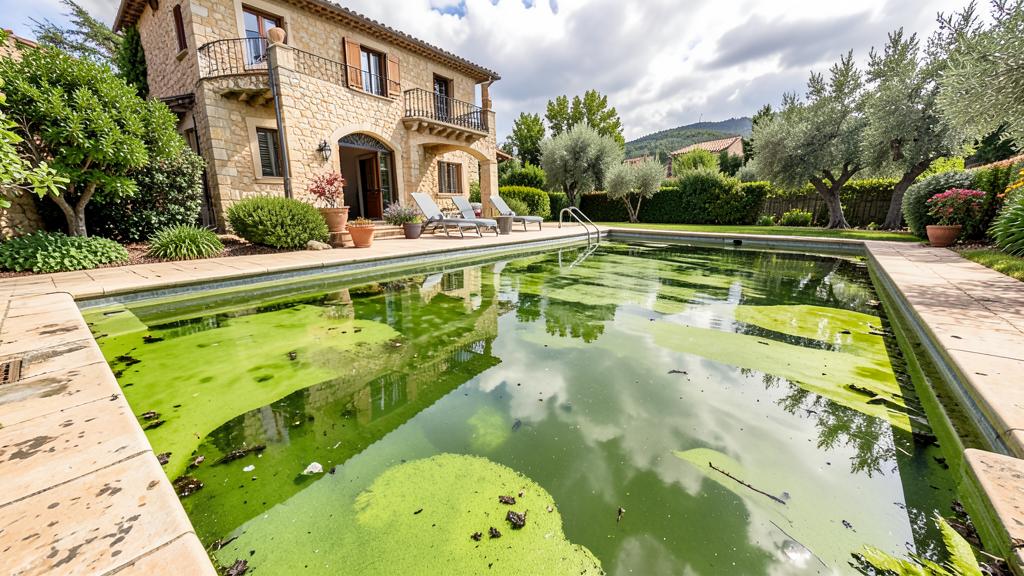
Green pool syndrome: causes, costs, and how to prevent it
A green pool is not just an eyesore. For a remotely managed holiday villa, it can mean lost bookings, difficult conversations with guests, and an emergency callout bill. Here is what causes it and how to stop it happening.
Why pools turn green
Pool water turns green when algae takes hold. Algae spores are present in every outdoor pool — they are kept in check by chlorine and balanced pH. When either drifts out of range, even briefly, algae can bloom within 24 to 48 hours. In the Spanish summer, with water temperatures regularly above 28°C, that window is even shorter.
The most common triggers are:
- A spell of heavy rain diluting the water chemistry
- High bather load consuming chlorine faster than expected
- A missed or delayed maintenance visit
- pH rising above 7.8, which dramatically reduces chlorine effectiveness even when chlorine levels appear normal
What it costs
A green pool that goes unnoticed for several days is not a quick fix. Shocking the pool back to clarity typically requires three to five times the normal chlorine dose, repeated over two to three days, plus a full backwash of the filter. A professional remediation visit on the Costa del Sol runs between €80 and €200 depending on severity.
For a holiday villa, the cost is rarely just the remediation. A guest arriving to a green pool will leave a review. A property that picks up two or three one-star reviews mentioning the pool can see booking rates drop meaningfully — the real cost is the downstream revenue impact, not the one-off callout.
Why it happens to remotely managed properties more often
A homeowner who lives at their property will notice the pool going slightly cloudy within a day or two and take action early. A property that sits empty for weeks at a time, managed by a maintenance company visiting once a week, has a much wider window for things to go wrong undetected.
Between visits, no one is watching. A pH spike on a Wednesday afternoon will not be caught until the scheduled Friday visit — by which point a visible green tint may already be present.
Prevention: continuous monitoring
The most effective prevention is continuous chemistry monitoring — a sensor in the pool that checks pH and ORP (chlorine effectiveness) every 15 to 30 minutes and sends an alert the moment either reading drifts out of the safe range.
With a reading in hand before the problem becomes visible, a pool maintenance company can prioritise that property for an unscheduled check-in, or a homeowner can arrange for a neighbour or keyholder to add a corrective dose before the situation escalates.
Senzo's pool monitoring sensor floats freely in the pool, requires no fixed installation, and sends readings continuously to a simple dashboard accessible from anywhere. When a reading goes out of range, the property owner and their maintenance company receive an alert by SMS and email — before the water changes colour.
Prevention is significantly cheaper than remediation. A monitoring subscription costs less per month than a single emergency callout.
More in Pool Monitoring
19 July 2026·Pool Monitoring
pH and chlorine in Spanish pools: what the numbers actually mean
Most pool owners know they need to test the water regularly, but fewer understand what the readings actually tell them — or why pH matters as much as chlorine. A plain-English explanation.
4 August 2026·Pool Monitoring
How often should a pool be tested? The case for continuous monitoring
Weekly testing is the standard for most managed pools. But a lot can change in seven days — particularly in the heat of a Spanish summer. Here is why the interval matters, and what continuous monitoring changes.
13 August 2026·Pool Monitoring
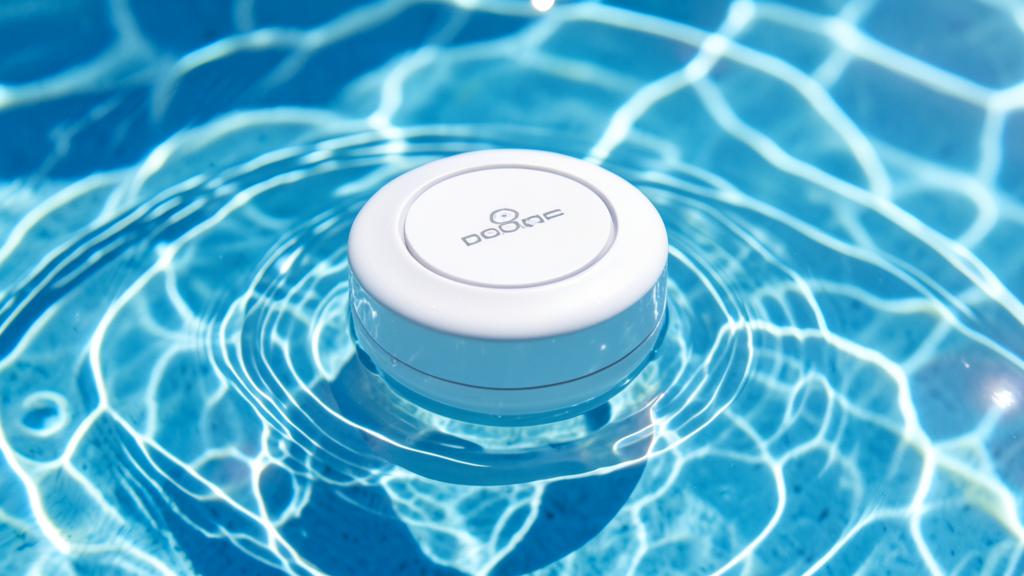
What is ORP and why does it matter more than chlorine levels alone?
Chlorine is the standard measure of pool safety. But ORP — oxidation-reduction potential — tells you something chlorine levels alone cannot. Here is a plain-English explanation of what it measures and why it matters.