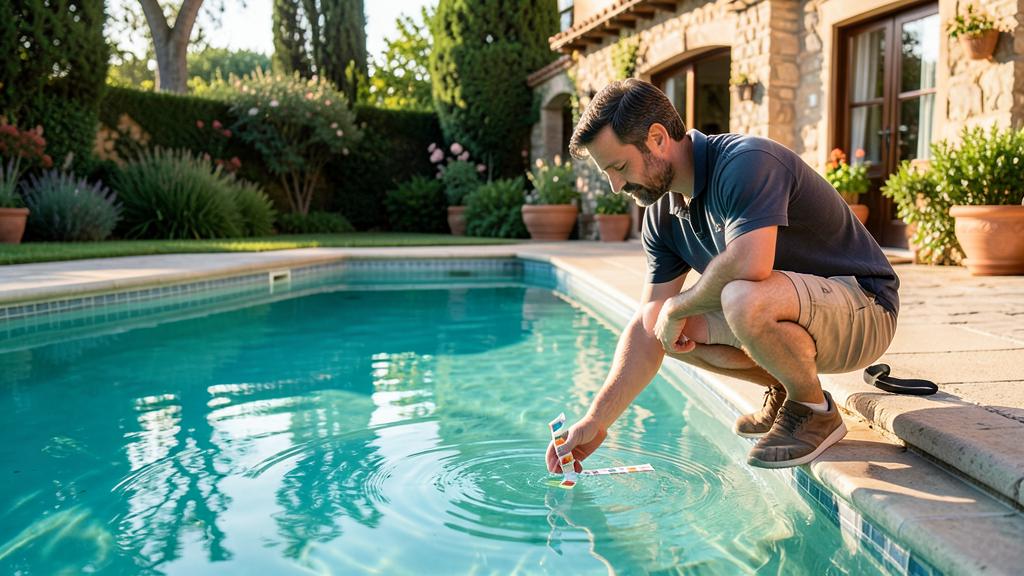
How often should a pool be tested? The case for continuous monitoring
Weekly testing is the standard for most managed pools. But a lot can change in seven days — particularly in the heat of a Spanish summer. Here is why the interval matters, and what continuous monitoring changes.
The industry standard — and its limitations
Most residential pool maintenance contracts on the Costa del Sol involve a weekly visit: test the water, adjust chemistry, clean the filter, brush the walls. For a pool in regular use with consistent bather loads and stable weather, weekly testing is adequate.
The problem is that conditions are rarely stable. A summer thunderstorm, a weekend of heavy use, a period of extreme heat, or a malfunction in the circulation pump can all shift pool chemistry significantly within 24 to 48 hours. A weekly visit catches none of these in time.
What can change in a week
To understand why the interval matters, consider a typical scenario. A pool is serviced on Monday — chemistry is balanced, readings are good. On Wednesday, there is an afternoon storm. Rainwater is slightly acidic and dilutes the pool chemistry, dropping chlorine levels and shifting pH. By Thursday, ORP has fallen below 600 mV. By Friday, the first signs of cloudiness may be visible. By the following Monday visit, the pool may need significant remedial treatment.
In a holiday villa scenario, guests may have been swimming in poorly disinfected water for several days without anyone knowing.
The case for continuous monitoring
A floating sensor that reads pH, ORP, and temperature every 15 to 30 minutes and reports to a remote dashboard provides something a weekly visit cannot: visibility between visits.
With continuous data, a maintenance company can see exactly when a reading drifted and by how much. They can prioritise which pools need attention today — not based on a schedule, but based on actual current conditions. A pool that is reading perfectly can be left until the next scheduled visit. A pool that has drifted can be attended to before the situation becomes visible.
For property owners, the benefit is straightforward: an alert on their phone when something needs attention, rather than discovering a problem when they or their guests arrive.
What continuous monitoring does not replace
Continuous monitoring is not a substitute for physical maintenance visits. A sensor cannot brush the walls, clean the skimmer basket, check the pump, or inspect the pool for damage. What it does is ensure that the chemistry side of pool care — the thing most likely to cause a guest complaint or a health issue — is supervised continuously rather than sampled once a week.
The two approaches work together. Monitoring tells you when to prioritise a visit. The visit does the work that only a person can do.
Senzo's pool monitoring service is designed specifically for remotely managed villas and holiday properties — properties where chemistry can drift for days before anyone notices. A simple floating sensor, continuous readings, and an automatic alert when something needs attention.
More in Pool Monitoring
3 July 2026·Pool Monitoring
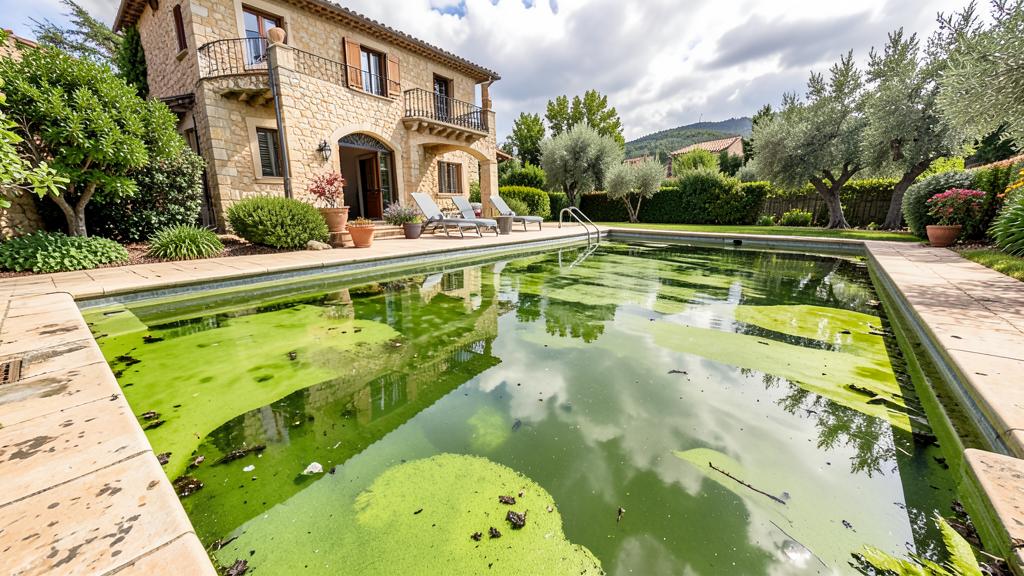
Green pool syndrome: causes, costs, and how to prevent it
A green pool is not just an eyesore. For a remotely managed holiday villa, it can mean lost bookings, difficult conversations with guests, and an emergency callout bill. Here is what causes it and how to stop it happening.
19 July 2026·Pool Monitoring
pH and chlorine in Spanish pools: what the numbers actually mean
Most pool owners know they need to test the water regularly, but fewer understand what the readings actually tell them — or why pH matters as much as chlorine. A plain-English explanation.
13 August 2026·Pool Monitoring
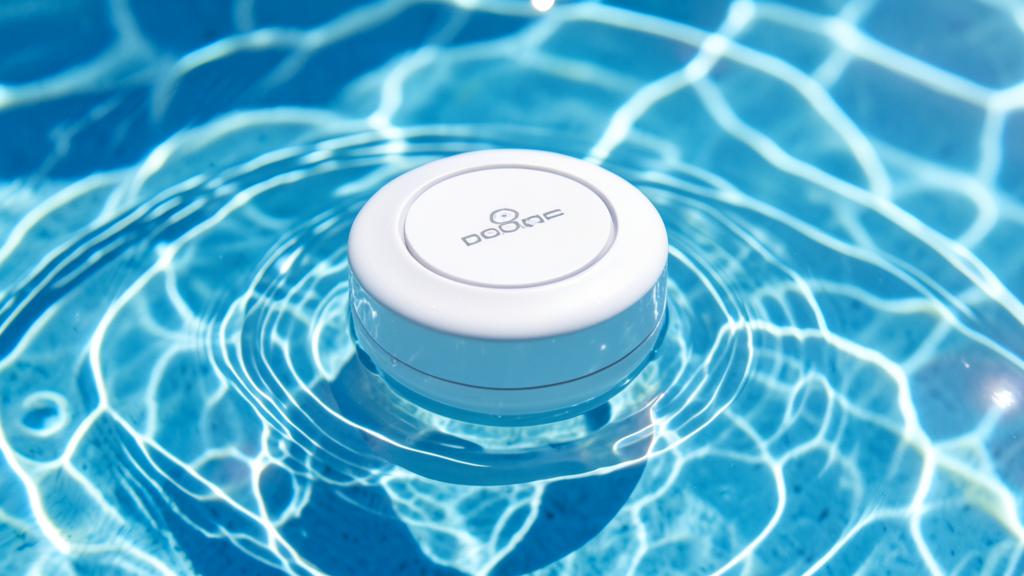
What is ORP and why does it matter more than chlorine levels alone?
Chlorine is the standard measure of pool safety. But ORP — oxidation-reduction potential — tells you something chlorine levels alone cannot. Here is a plain-English explanation of what it measures and why it matters.