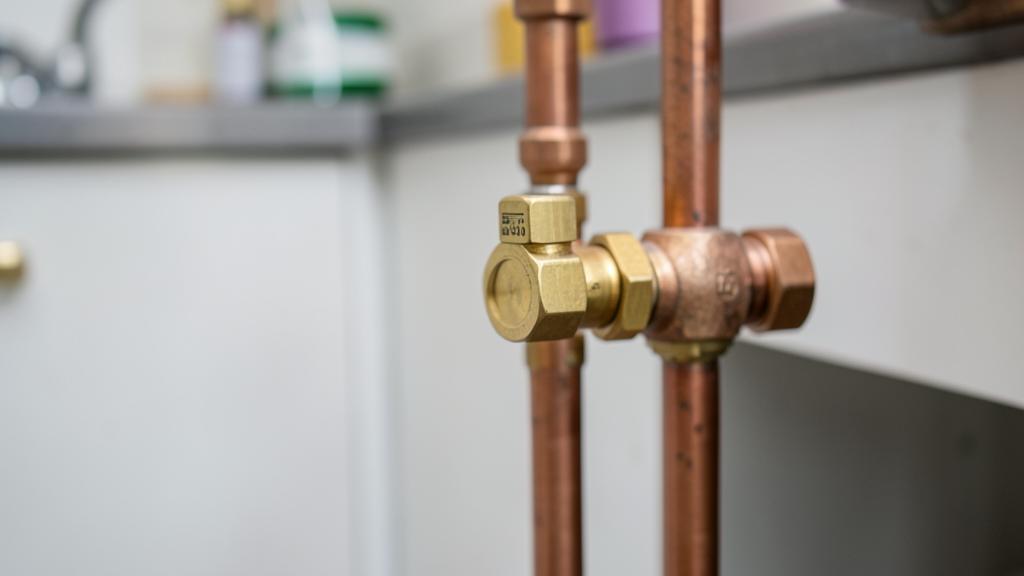
Automatic water shut-off valves: do you need one?
A water leak sensor tells you there is a problem. An automatic shut-off valve does something about it — immediately, without anyone needing to be there. Here is when it makes sense and when a sensor alone is sufficient.
What a shut-off valve does
An automatic shut-off valve is a motorised valve fitted to the main water inlet pipe of a property. When a connected leak sensor detects moisture and triggers an alert, the valve closes — cutting off the mains water supply to the entire property automatically, within seconds.
The result is that any active leak — regardless of its source or flow rate — stops as soon as the sensor triggers. Without a shut-off valve, water continues to flow until a person can physically reach the property and turn the water off manually.
When a shut-off valve is most valuable
The value of automatic shut-off depends on two factors: the potential flow rate of a leak, and the time it would take a person to reach the property.
High-flow scenarios — a burst washing machine hose, a failed water heater, a split pipe — release water at mains pressure. Even a short delay before anyone can reach the property and turn off the supply manually results in a large volume of water released. In these scenarios, automatic shut-off dramatically limits damage.
Remote properties with no keyholder or emergency contact close by benefit most from automatic shut-off. If the nearest person who can access the property is two hours away, a sensor alert alone means two hours of water flowing before the supply can be stopped. A shut-off valve reduces that to seconds.
Properties with communal risk — apartments in multi-story buildings where a leak from one unit can damage those below — have a strong case for shut-off, both to limit their own damage and to limit their liability to neighbours.
When a sensor alone is sufficient
For a property where a keyholder or property manager is within thirty minutes, and where the plumbing is in good condition, a sensor without shut-off provides most of the value. The alert fires within minutes of a leak starting, the keyholder can reach the property and turn off the water at the stopcock, and the damage is limited to a small area.
A shut-off valve is an enhancement — it removes the dependency on human response time. Whether that enhancement is worth the additional cost depends on the specific property circumstances.
Installation
A clamp-style automatic shut-off valve — the type used in residential applications — does not require cutting into the pipework. It clamps onto the mains inlet pipe, typically located under the kitchen sink or in a utility cupboard. Installation takes around thirty minutes for a competent person and does not require a plumber's licence for this type of valve.
Senzo's leak detection kits are available with or without automatic shut-off valve. Both versions use the same sensor hardware and monitoring platform — the shut-off valve is an add-on that connects to the same system. Installation is handled by our team or a trained local partner.
More in Leak Detection
8 July 2026·Leak Detection
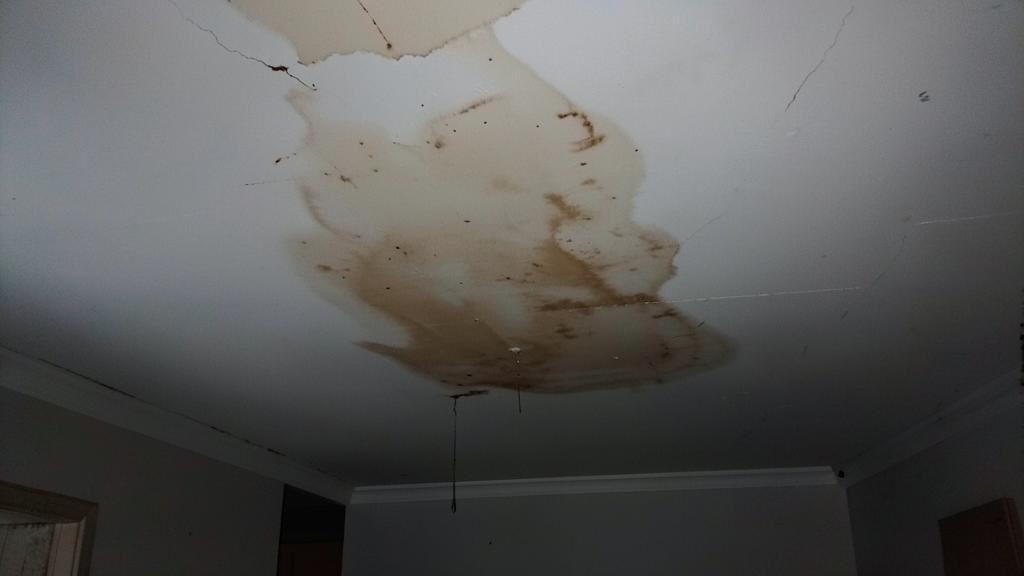
What happens when a water leak goes undetected in an empty property?
A small leak in an occupied home is noticed within hours. The same leak in an empty holiday apartment can run for days or weeks. The costs — structural, financial, and legal — can be severe. Here is what actually happens.
25 July 2026·Leak Detection
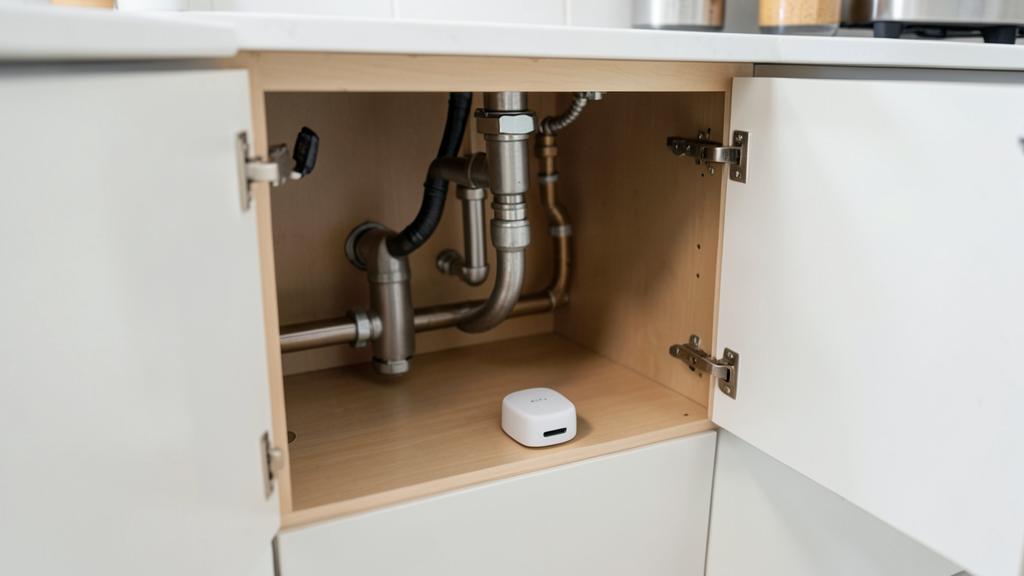
5 places every holiday home needs a water leak sensor
Not all leak sensors are equal, and not all locations are equally important. Here are the five places in a Spanish holiday property where a sensor is most likely to catch a problem before it becomes expensive.

9 August 2026·Leak Detection
Water leak damage in Spanish properties: what your insurance actually covers
Property insurance in Spain covers water damage — but the details matter. Community policies, individual apartment policies, and the rules around negligence and notification can all affect a claim. Here is what you need to know.