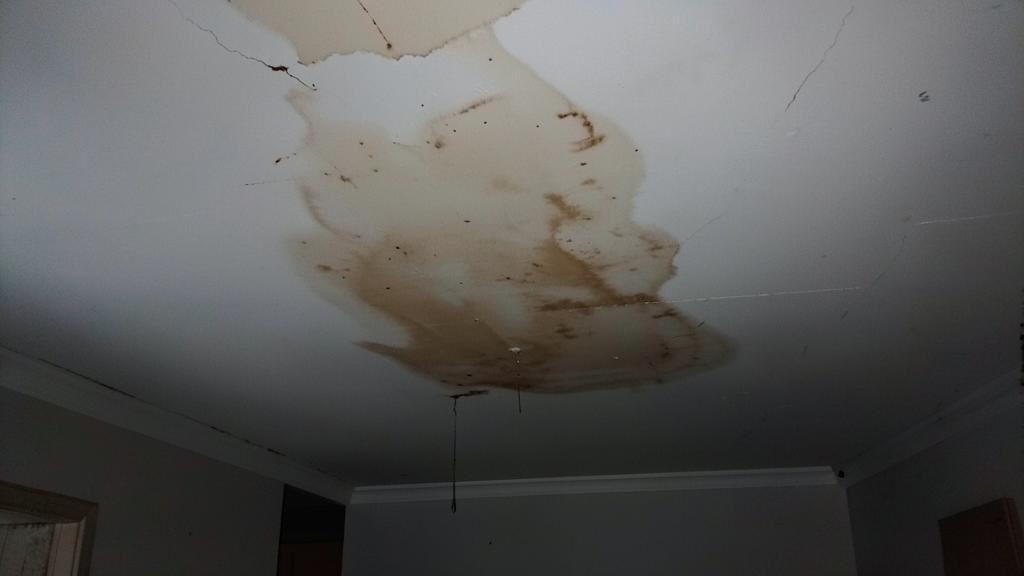
What happens when a water leak goes undetected in an empty property?
A small leak in an occupied home is noticed within hours. The same leak in an empty holiday apartment can run for days or weeks. The costs — structural, financial, and legal — can be severe. Here is what actually happens.
The scale of the problem
Water damage is consistently one of the most common causes of property insurance claims in Spain. In apartment buildings and urbanisations — the dominant property type across the Costa del Sol — leaks from one property routinely affect neighbours below and can trigger disputes involving multiple owners and the community insurance.
The difference between a small claim and a serious one is almost always time. A leak caught within hours means a damp patch and a plumber's bill. A leak running undetected for a week can mean saturated structural materials, mould growth, destroyed flooring and ceilings, and damage to a neighbour's property.
What actually happens during an undetected leak
A slow drip under a kitchen sink — perhaps from a failing flexible hose connection — might release several litres per hour. Over a week in an empty property, that is hundreds of litres of water saturating the under-sink cabinet, the floor, and beginning to seep into the subfloor structure.
At this point, visible damage is appearing on the ceiling of the property below. The downstairs neighbour reports it to the community administrator. The community administrator contacts the management company for the empty property. The management company contacts the owner, who is in the UK and has no key locally. A plumber must be arranged for emergency access.
By the time anyone reaches the property, the damage is significant. The source is found — a simple hose connection that would have cost €15 and twenty minutes to fix if caught early.
The typical cost
Minor undetected water damage in a Spanish apartment: €500 to €2,000 for repairs to flooring and finishes. If a neighbour's property is affected, the community insurance becomes involved and the costs escalate. Structural drying, specialist repair, and neighbour claims can reach €5,000 to €20,000 for a situation that started as a €15 plumbing fault.
Beyond the direct repair cost, there are indirect costs: loss of rental income during repair, potential legal correspondence with affected neighbours, and the administrative burden of managing the situation from abroad.
Where leaks most commonly occur
In Spanish residential properties, the most common sources of water damage are:
- Flexible hose connections under kitchen and bathroom sinks (these degrade and fail, often without warning)
- Washing machine inlet and outlet connections
- Water heaters and boilers, particularly as they age
- Toilet cistern overflow and fill valve failures
- Terrace waterproofing failures allowing water ingress to properties below
These are all locations where a small, inexpensive sensor placed on the floor can detect moisture within minutes of a leak starting.
How monitoring changes the outcome
A wireless water leak sensor under each of the above locations costs a fraction of the potential damage. When moisture is detected, an alert fires immediately — by SMS and email — to the property owner and their nominated contacts. The issue can be acted on within hours rather than days.
Senzo's leak detection sensors require no WiFi at the property and no fixed installation — they sit on the floor, run on batteries for several years, and report over their own mobile connection. A property that is empty for eleven months of the year is monitored continuously, not just when someone happens to be there.
The question is not whether a leak will eventually occur. In any property over time, it will. The question is whether you find out about it in time to limit the damage.
More in Leak Detection
25 July 2026·Leak Detection
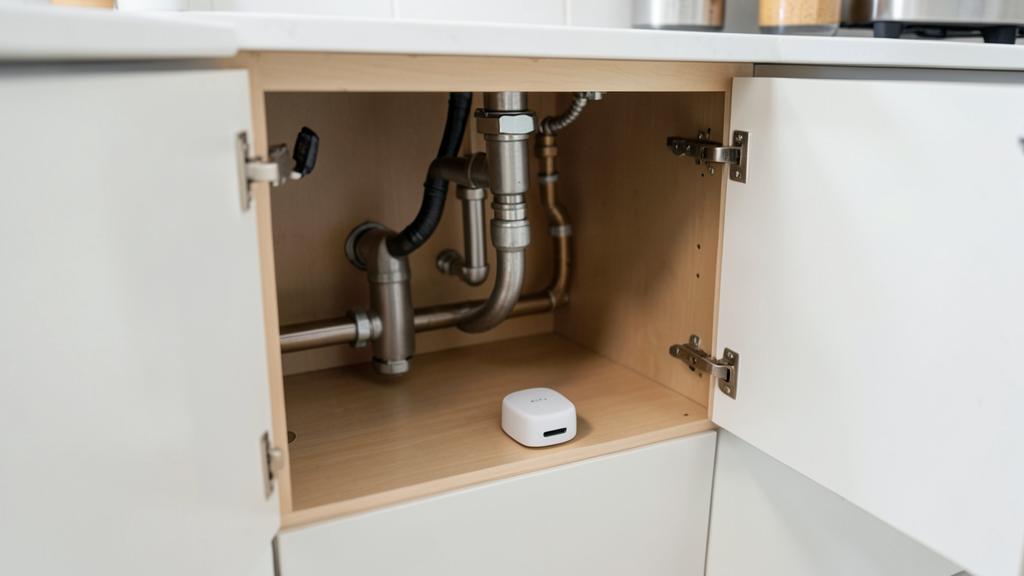
5 places every holiday home needs a water leak sensor
Not all leak sensors are equal, and not all locations are equally important. Here are the five places in a Spanish holiday property where a sensor is most likely to catch a problem before it becomes expensive.
9 August 2026·Leak Detection
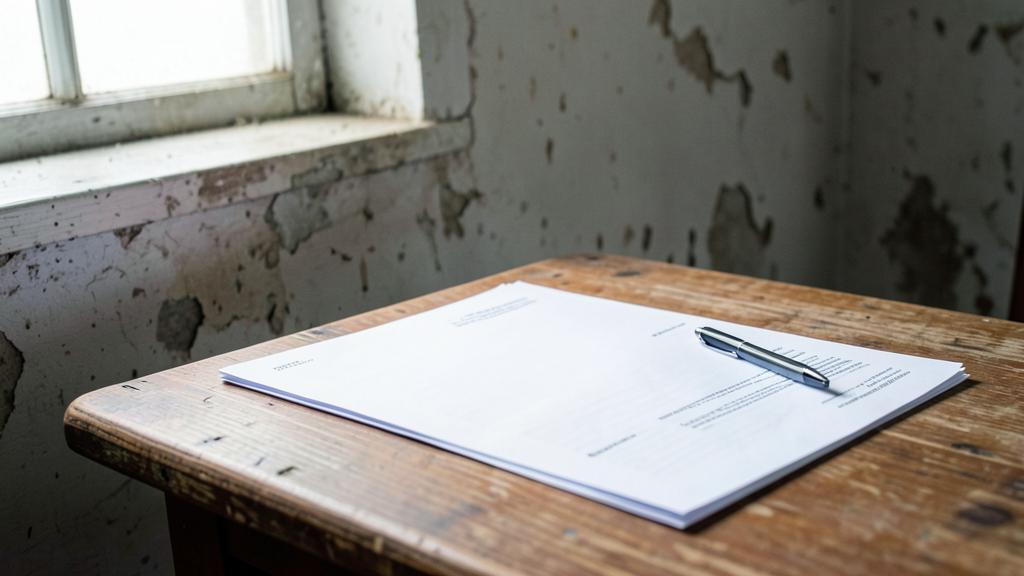
Water leak damage in Spanish properties: what your insurance actually covers
Property insurance in Spain covers water damage — but the details matter. Community policies, individual apartment policies, and the rules around negligence and notification can all affect a claim. Here is what you need to know.

2 September 2026·Leak Detection
How property managers on the Costa del Sol are reducing emergency callouts
Emergency callouts are one of the highest-cost, lowest-margin parts of property management. Remote monitoring is beginning to change how proactive managers handle them — and the numbers make a strong case.