Water leak damage in Spanish properties: what your insurance actually covers
Property insurance in Spain covers water damage — but the details matter. Community policies, individual apartment policies, and the rules around negligence and notification can all affect a claim. Here is what you need to know.
The Spanish insurance landscape for water damage
Water damage claims in Spain — known as daños por agua — are one of the most frequent types of property insurance claim. The system involves two layers: the individual property owner's home insurance (seguro de hogar) and the community building insurance (seguro de comunidad) that covers shared structural elements in apartment buildings and urbanisations.
Understanding which policy applies in which situation, and what each covers, is important — particularly for foreign property owners who may not be familiar with how the Spanish system works.
What community insurance covers
The community insurance covers structural and communal elements of a building: the roof, external walls, shared pipes, and common areas. If water damage originates from a shared element — a communal pipe or the roof — the community insurance is responsible.
The community insurance also typically provides a basic level of cover for damage to individual apartments caused by failures in communal elements.
What your individual home insurance covers
Your home insurance (seguro de hogar) covers damage to your own property and its contents, and — critically — damage you cause to neighbouring properties. In a Spanish apartment building, if a leak originates in your property and causes damage to a neighbour below, your home insurance is responsible for their repair costs.
This is the scenario that causes the most difficulty for absentee owners. You are responsible for the damage your property causes, regardless of whether you were there or knew about it.
The notification obligation
Spanish insurance policies typically include a notification obligation: the policyholder must report a loss to the insurer as soon as it becomes known. A claim for damage that has been occurring for an extended period — because the property was unoccupied and the leak went undetected — can be complicated if the insurer argues the damage could have been limited with prompt discovery.
This is not a reason to assume a claim will be rejected, but it underscores the value of early detection. A leak discovered and reported within hours is a straightforward claim. A leak that has been running for three weeks in an empty property raises questions about why it was not found sooner.
What insurance does not cover
Standard home insurance in Spain does not cover gradual deterioration or maintenance failures — a slow seep from an ageing pipe seal that has been dripping for months before it causes visible damage can be excluded on the grounds that it represents a maintenance issue rather than a sudden event.
The distinction between a sudden accidental leak and gradual deterioration is not always clear-cut, and can be a point of contention in a claim.
How early detection improves your position
A water leak sensor that detects moisture immediately and sends an alert means:
- The leak is identified within hours, not weeks
- The notification to your insurer is made promptly
- The total damage is limited, reducing the size and complexity of any claim
- You have a timestamped record of when the leak was detected and when action was taken
That documentation can be valuable if questions arise about the timing and extent of the damage.
Senzo's leak detection sensors alert the property owner and their nominated contacts immediately when moisture is detected — providing both the early warning that limits damage and the record that supports a claim.
More in Leak Detection
8 July 2026·Leak Detection
What happens when a water leak goes undetected in an empty property?
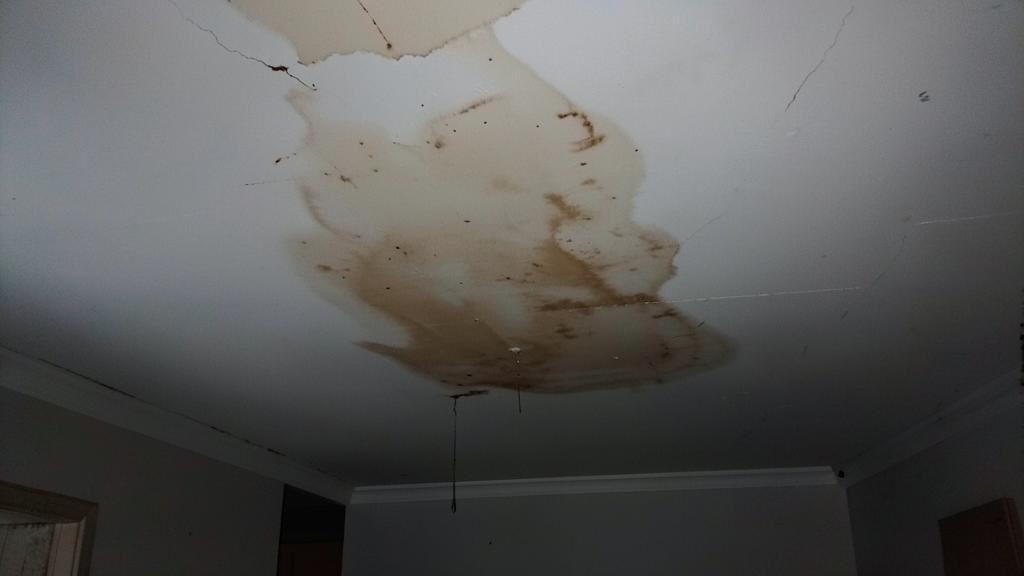
A small leak in an occupied home is noticed within hours. The same leak in an empty holiday apartment can run for days or weeks. The costs — structural, financial, and legal — can be severe. Here is what actually happens.
25 July 2026·Leak Detection
5 places every holiday home needs a water leak sensor
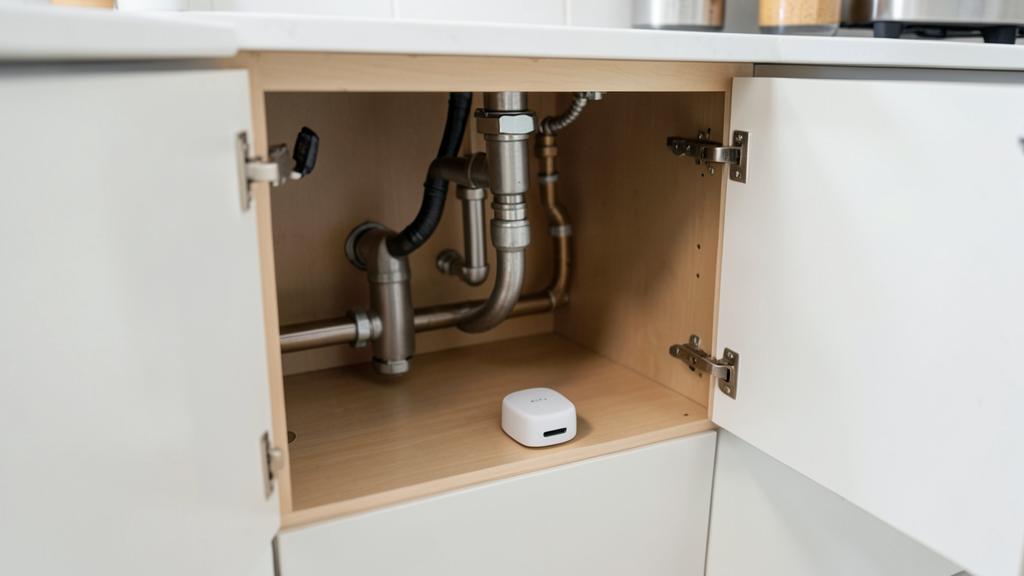
Not all leak sensors are equal, and not all locations are equally important. Here are the five places in a Spanish holiday property where a sensor is most likely to catch a problem before it becomes expensive.

2 September 2026·Leak Detection
How property managers on the Costa del Sol are reducing emergency callouts
Emergency callouts are one of the highest-cost, lowest-margin parts of property management. Remote monitoring is beginning to change how proactive managers handle them — and the numbers make a strong case.