How pool maintenance companies can add a recurring revenue stream without extra staff
A pool maintenance company's revenue is tied to visits. Monitoring changes that — adding a subscription income layer that runs whether or not a technician is on site. Here is how the model works.
The visit-based revenue model and its limits
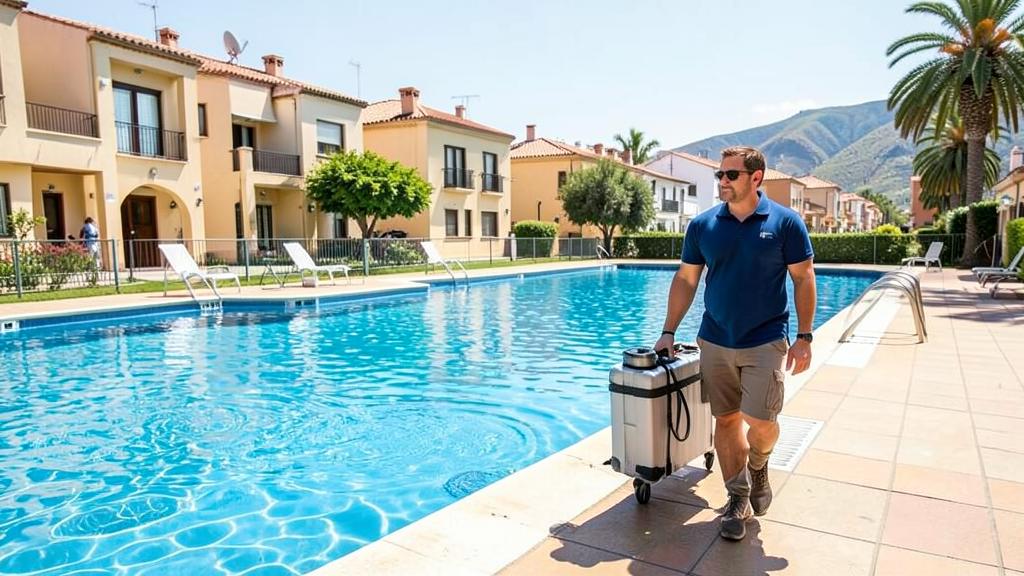
A pool maintenance company earns by doing: visits, treatments, repairs. Revenue scales with the number of visits that can be made in a day and the rate charged per visit. Growth means hiring more staff or finding efficiencies in routing. Margins are under pressure from fuel costs, chemical costs, and the time spent on reactive callouts to pools that have gone wrong between scheduled visits.
This is a good business — but it is a linear one. Revenue and cost scale together.
What a monitoring layer adds
A pool water quality sensor in each client's pool, feeding data to a remote dashboard, changes the structure of the business in two ways.
First, it adds a subscription revenue stream that is not tied to visits. A monthly monitoring fee of €12 to €20 per pool, charged to the pool owner, generates income continuously — whether or not the technician visits that week.
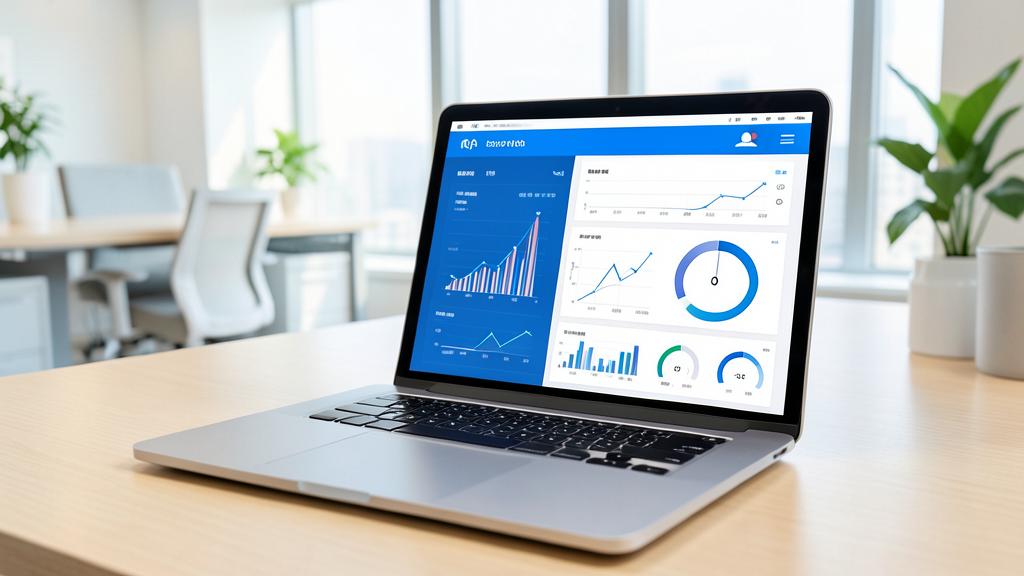
Second, it makes the visit-based work more efficient. With live chemistry data, a technician can arrive at each pool knowing exactly what it needs before opening the gate. Pools that are reading within normal parameters can be prioritised lower; pools showing drift can be attended first. The same number of visits covers more pools effectively, or fewer visits are needed per pool with the same outcome.
The white-label option
A monitoring platform with white-label capability means the client never sees a third-party brand. Reports come from your company. The app shows your company name. The monitoring service is yours — the infrastructure behind it is provided by a specialist supplier.
For a pool maintenance company, this means being able to offer monitoring as part of your service proposition without building any of the technology yourself. You supply the local knowledge, the installation, and the client relationship. The monitoring platform, the alert infrastructure, and the reporting engine are provided as a service.
What the numbers look like
A company maintaining 80 pools, with monitoring on all of them at a wholesale rate of €8 per pool per month, adds €640 per month in recurring revenue — €7,680 per year — with no additional staff cost once the sensors are installed.
If they charge their clients €15 per pool per month for the monitoring service, the margin on that income alone is €560 per month. The monitoring service also reduces reactive callouts — the events that consume the most staff time and generate the most client friction — which has its own cost benefit.
For a company looking to improve margins and differentiate from competitors on price, monitoring is one of the cleaner additions available.
What the rollout looks like
Installing sensors across an existing pool portfolio can be done incrementally. Pilot with ten pools — the ten where chemistry management has been most challenging. Validate that the sensors work and the data is reliable. Then roll out to the wider portfolio over the following months, absorbing the hardware cost either upfront or amortised through slightly higher monthly fees in the first six months.
The conversation with clients does not need to be technical. "We now monitor your pool chemistry remotely around the clock, and you will receive a monthly report" is enough. Most pool owners understand the value immediately.
Senzo provides monitoring hardware, the platform, and white-label reporting for pool maintenance companies. Contact us to discuss the commercial terms and what a pilot would look like for your business.