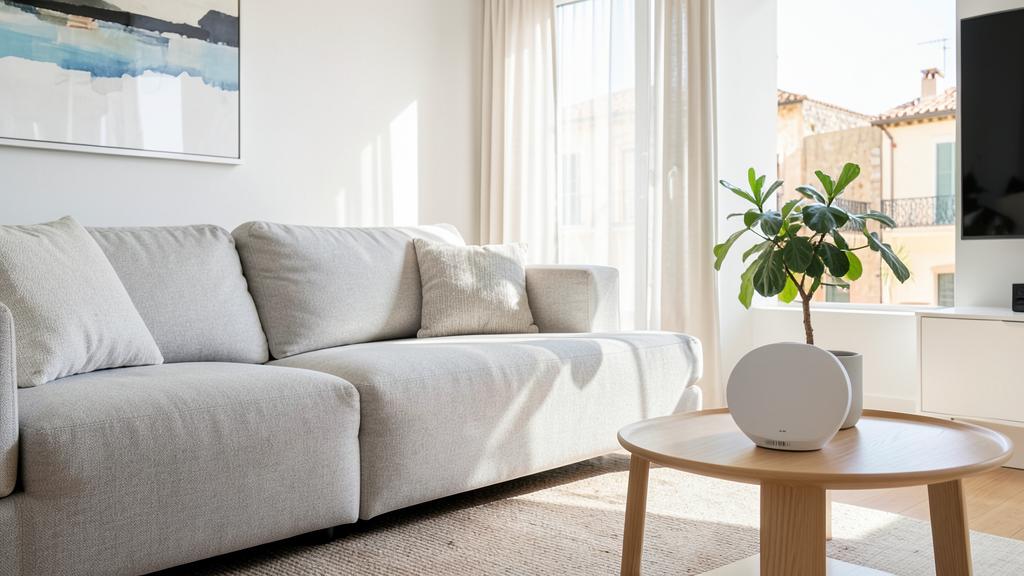
How IoT sensors are changing property management in southern Spain
The market for smart property monitoring in Spain is at an early stage. Here is an honest assessment of where it stands, what the technology can and cannot do, and why the timing is relevant for property owners and managers now.
What IoT means in a property context
IoT — the Internet of Things — refers to physical devices that connect to the internet and report data remotely. In a property context, that means sensors, monitors, and actuators that provide visibility into a building's condition without requiring a person to be physically present.
The technology is not new. Commercial buildings — office blocks, hotels, hospitals — have used building management systems for decades. What has changed is the cost and accessibility of the underlying hardware, which has fallen dramatically over the past five years. Equipment that would previously have required a specialist installer and an ongoing service contract now arrives in a small box, pairs with an app in minutes, and costs tens of euros rather than thousands.
What the technology can do
In a residential or small commercial property context, the most mature and reliable IoT applications are:
Water leak detection: A moisture sensor on the floor can detect the presence of water within minutes and send an alert to a remote owner or property manager. This is simple, reliable, and extremely well-established — the underlying technology has been in commercial use for many years.
Environmental monitoring: Temperature, humidity, and air quality sensors provide a continuous picture of conditions inside a property. Useful for detecting issues such as excessive humidity that might lead to damp or mould, or extreme temperatures that might indicate a heating or cooling system failure.
Pool chemistry monitoring: Floating sensors that measure pH, ORP, and temperature provide continuous pool chemistry data without the need for manual testing. Well-suited to Spanish conditions where pool chemistry drifts quickly in summer heat.
Access monitoring: Door and window sensors log when access points are opened. Useful for rental property management — confirming when guests arrive and depart, or monitoring for unexpected access.
What the technology cannot do
Remote sensors provide data. They cannot physically inspect a property, perform maintenance, or respond to problems. A water sensor can tell you there is moisture under the kitchen sink; it cannot find the source, call a plumber, or prevent the damage from spreading. Human response to alerts is still essential.
The technology also depends on connectivity. WiFi-dependent devices stop reporting if the router is off or the internet connection fails. This is why devices with independent mobile connectivity — reporting over their own SIM rather than the property's WiFi — are preferable for properties that may sit empty for extended periods.
Where the market stands in southern Spain
The adoption of residential IoT monitoring in Andalusia is at an early stage. The technology is well-established in northern European markets and the United States; the Spanish market, particularly for holiday property management, is several years behind.
This creates a straightforward opportunity: the problems are well-understood, the technology is proven, and local availability of integrated monitoring solutions specifically designed for the remote property management market is limited.
For property managers, being among the first in their market to offer clients continuous monitoring as part of a managed service is a point of differentiation that is not yet available from most competitors.
Senzo monitors pool chemistry and water leak risk for remotely managed properties on the Costa del Sol. The service is designed for property management companies and individual owners — hardware installed by a local team, monitoring infrastructure managed remotely, and alerts delivered to whoever needs to know.
More in Property Management

14 July 2026·Property Management
Remote property management on the Costa del Sol: the complete guide
Owning a property on the Costa del Sol while living abroad is common — but managing it remotely brings specific challenges. This guide covers the key areas, from finding the right management company to monitoring your property between visits.
22 August 2026·Property Management
Buying a holiday home in Spain: the monitoring and maintenance checklist
The purchase process for a Spanish holiday home is well-documented. What is less discussed is what happens after completion — specifically, how to set the property up so that it runs well when you are not there.

5 September 2026·Property Management
The true cost of owning a holiday home in Spain — what nobody tells you
The purchase price is the number everyone focuses on. The ongoing cost of owning a Spanish holiday property is less discussed — and for absentee owners, some of the largest costs are the ones that come from problems that were not caught in time.